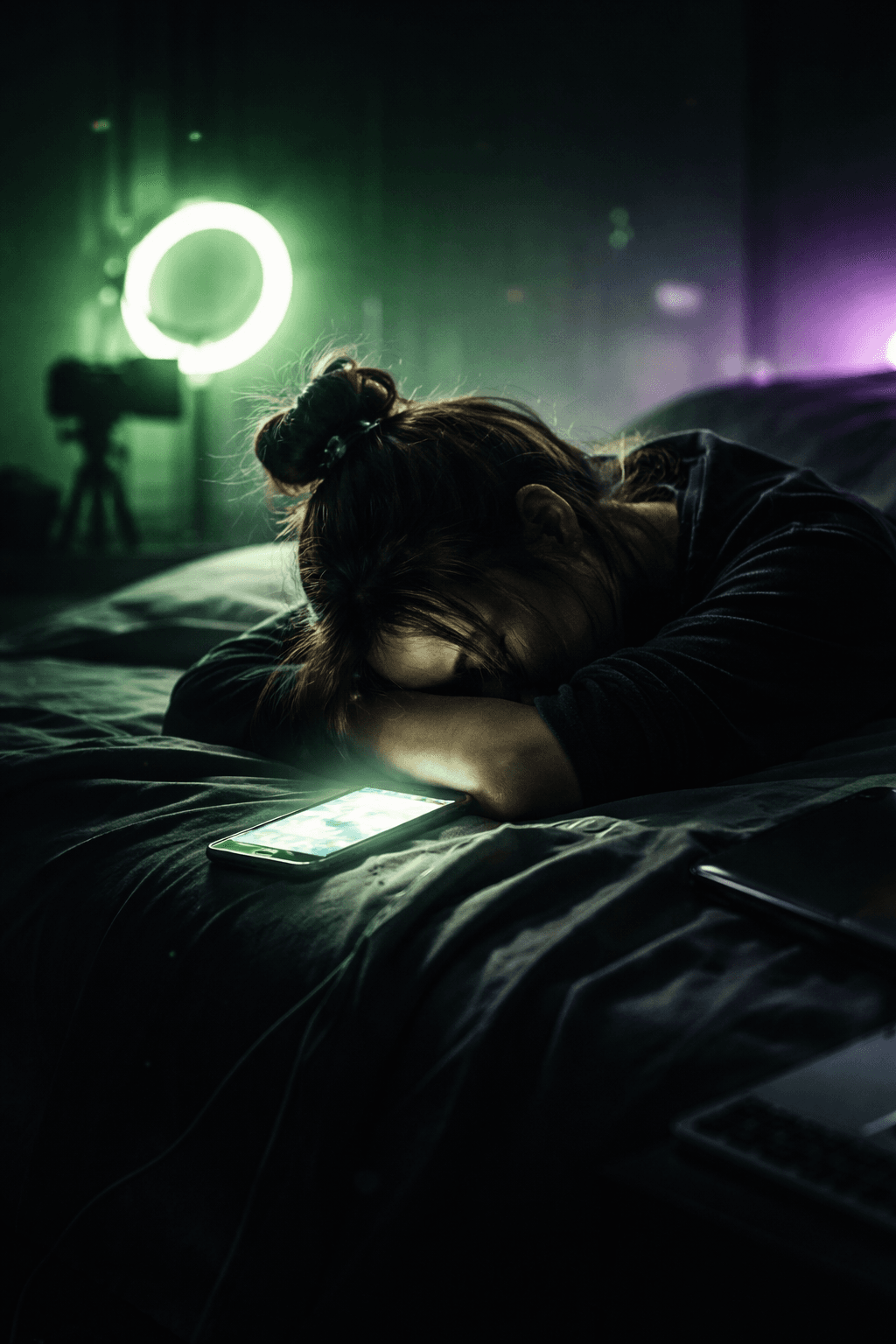
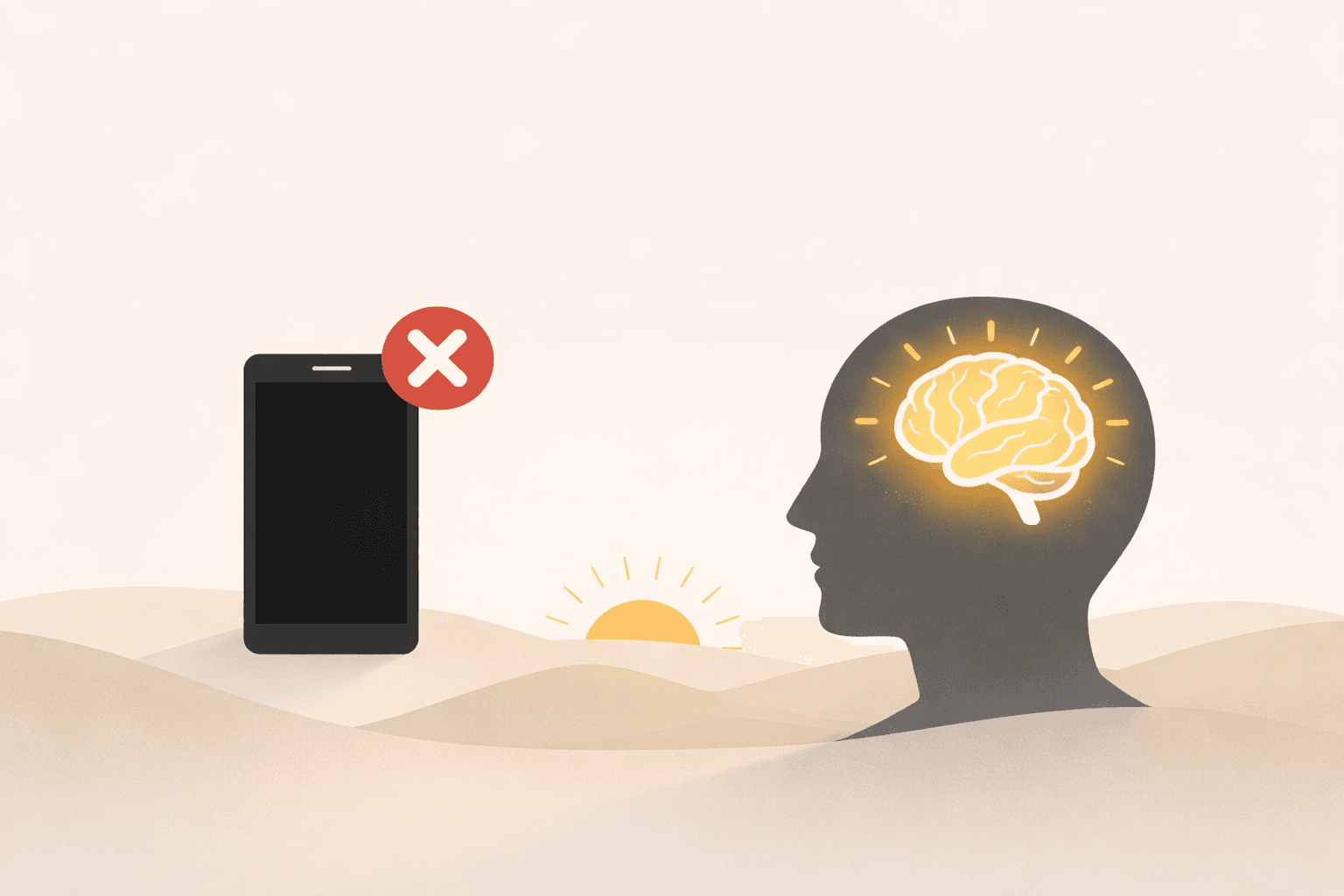
Let me be real with you — I did not go into my 30-day social media detox feeling zen and enlightened. I went in because I caught myself scrolling Instagram at 2 AM, half-asleep, watching a reel about someone else's morning routine. That was the moment. I thought, okay, something has to change.
So I deleted the apps. All of them. Instagram, TikTok, X, even Pinterest (yes, Pinterest counts). And what followed was honestly one of the weirdest months of my life.
The First Week Is Genuinely Uncomfortable
Nobody tells you this part: the first few days feel like withdrawal. I kept picking up my phone out of habit — unlocking it, staring at nothing, putting it back down. My thumb would actually hover where TikTok used to be. It was a little embarrassing how automatic the whole thing was.
I also felt weirdly disconnected. Like, how do people know what's happening in the world? How do you find out if there's drama? What do you do when you're standing in a queue at the coffee shop? These sound like dumb questions, but they reveal something important: social media had quietly filled every single idle moment I had.
By Week Two, Something Shifted
Here's the thing nobody's posting about — because they're not on social media — but a lot of good stuff happens when you stop. I started noticing small things again. I read two full books. I cooked actual meals instead of ordering in while watching content. I had longer conversations with my friends, because there was nothing to catch up on ("did you see that post" was gone), so we just... talked.
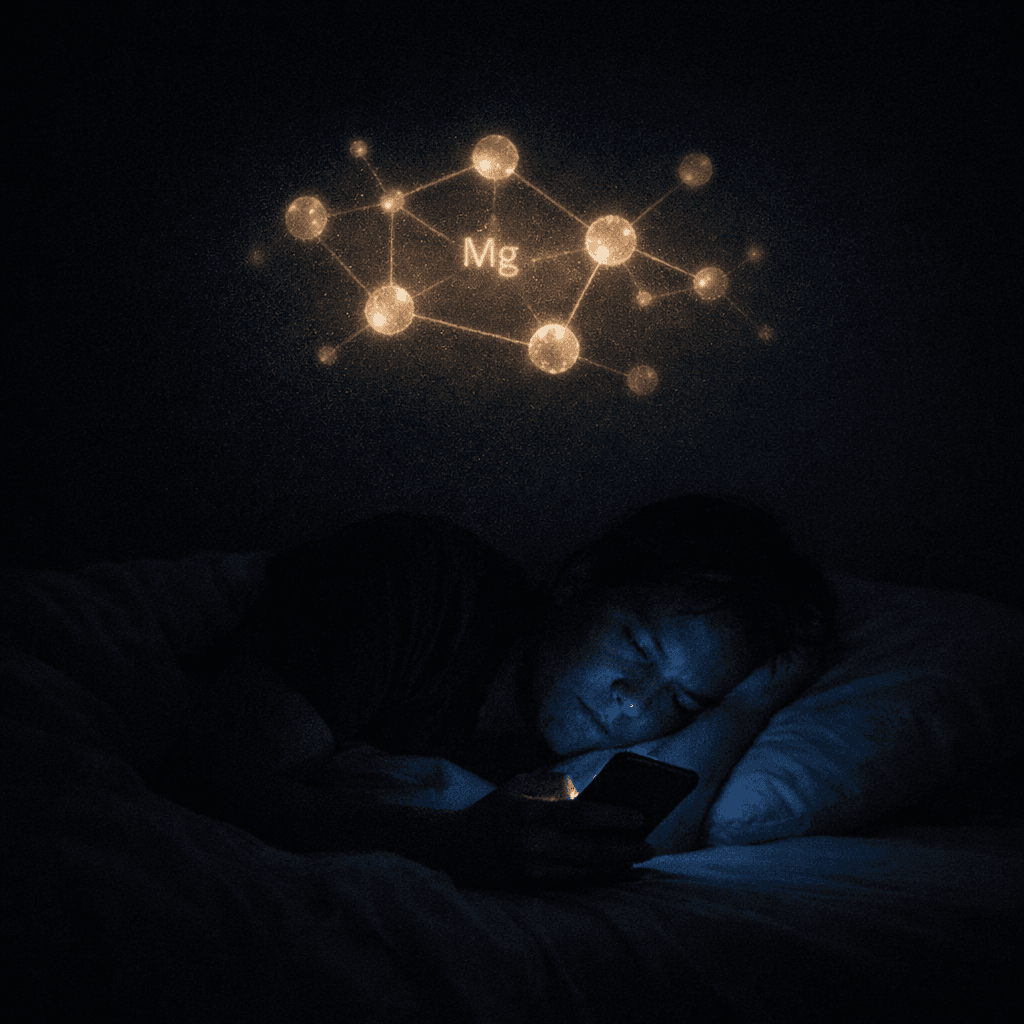
My sleep also improved dramatically. I didn't expect that one. I thought I was fine falling asleep on my phone, but apparently my brain disagreed.
The Anxiety Thing Nobody Talks About
Here's something I wasn't prepared for: I felt less anxious, but also more aware of my actual anxieties. Social media is really good at redirecting your stress. You're worried about your job? Here's 47 other things to be worried about instead. When that noise disappears, your real feelings bubble up. At first, that's uncomfortable. Eventually, it's kind of useful.
What I Came Back To (And What I Left Behind)
After 30 days, I did go back. I'm not going to pretend I deleted everything forever — that's a very specific lifestyle choice and honestly not one I wanted. But I came back differently. I turned off most notifications. I moved apps off my home screen. I started being way more intentional about why I was opening something.
The biggest thing I lost during the detox? The comparison spiral. That low-key background hum of "their life looks better than mine" just... wasn't there anymore. And when I came back, I could see it way more clearly for what it was — a highlight reel, curated and filtered, that has almost nothing to do with anyone's real life.
Should You Do a Social Media Detox?
Look, I'm not here to tell you what to do. But if you're reading this at midnight because you couldn't sleep and you've already been on your phone for two hours, maybe that's your sign.
You don't have to go cold turkey for 30 days. Even a weekend offline can reset something in your brain that you didn't know needed resetting. The point isn't to punish yourself for using social media — it's to remember that you're the one in charge of it, not the other way around.
Try it. Even for 48 hours. Your for-you page will still be there when you get back. But you might be a slightly different person by the time you return.